
Ports of Connection ELT Conference 2026 Highlights

Key Takeaways from the Ports of Connection ELT Conference 2026
A Collaborative Space for ELT Professionals
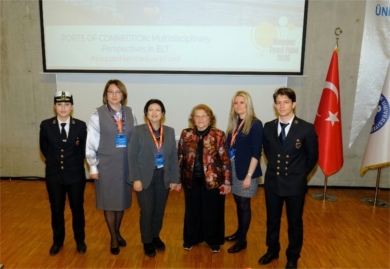
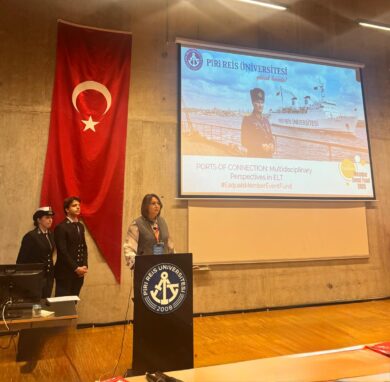 The Ports of Connection: Multidisciplinary Perspectives in ELT conference, hosted by Pîrî Reis University in Istanbul on 3 April 2026, brought together English language educators, researchers, and teacher trainers for a day of professional exchange and collaboration.
Participants from universities and educational institutions across different countries discussed current challenges in English Language Teaching (ELT), shared classroom practices, and explored new research directions. The event, supported by the Eaquals Member Event Fund, created a balance between academic discussion and practical teaching applications, making it relevant for professionals working across a range of educational contexts.
AI in ELT Remained a Central Discussion
One of the strongest themes throughout the conference was the growing role of artificial intelligence in language education.
Presenters explored how generative AI tools, adaptive learning platforms, and digital resources are being integrated into lesson planning, assessment, and learner support. Many sessions focused on how AI can support more personalised and efficient learning experiences while still maintaining meaningful classroom interaction.
This practical approach reflected ongoing conversations within the ELT profession about balancing innovation with human-centred teaching.
Teacher Development and Changing Classroom Roles
Another important focus was the evolving role of the language teacher in increasingly digital and learner-centred environments.
Speakers highlighted the importance of continuous professional development, reflective teaching practices, and adaptable classroom strategies. Several discussions also examined how teachers are navigating changing learner expectations while integrating new technologies into their teaching practice.
These conversations reinforced the idea that professional growth remains essential as ELT continues to evolve.
Positive Psychology and Learner Engagement
The plenary session explored how positive psychology, positive discipline, and metacognitive awareness can contribute to language learning success.
Rather than focusing only on linguistic outcomes, the session encouraged educators to consider learner confidence, emotional wellbeing, and classroom relationships as part of effective language teaching. The discussion also connected these ideas to practical classroom strategies that support learner engagement and long-term progress.
Research-Informed Practice in ELT
Research-informed teaching remained another key area throughout the conference programme.
Presentations on classroom-based research, corpus studies, and international standards demonstrated how evidence-based approaches continue to influence effective ELT practice. Many sessions highlighted the value of reflective inquiry and collaboration between researchers and classroom practitioners.
Why Conferences Like Ports of Connection Matter
The conference highlighted the importance of creating professional spaces where educators can exchange ideas, discuss emerging challenges, and explore practical teaching solutions.
For many participants, the event provided useful insights into how technology, pedagogy, and interdisciplinary thinking can work together in modern language education. It also reinforced the importance of maintaining adaptable, research-informed, and learner-focused teaching practices in today’s ELT landscape.
FAQ
What was the focus of the Ports of Connection ELT Conference 2026?
The conference focused on multidisciplinary perspectives in English Language Teaching, including AI in ELT, teacher development, learner engagement, and research-informed pedagogy.
Where was the Ports of Connection ELT Conference held?
The conference was hosted by Pîrî Reis University in Istanbul, Türkiye, on 3 April 2026.
Why is AI important in English Language Teaching?
AI tools can support personalised learning, assessment, lesson planning, and learner autonomy. Many educators, however, emphasise the importance of balancing technology with meaningful teacher-student interaction.
What topics were discussed at the conference?
Main topics included artificial intelligence in ELT, positive psychology, metacognition, teacher identity, educational technology, and interdisciplinary approaches to language education.
Who attended the conference?
The event brought together university instructors, researchers, teacher trainers, curriculum designers, and postgraduate students from national and international institutions.