UES Becomes an Eaquals Associate Member
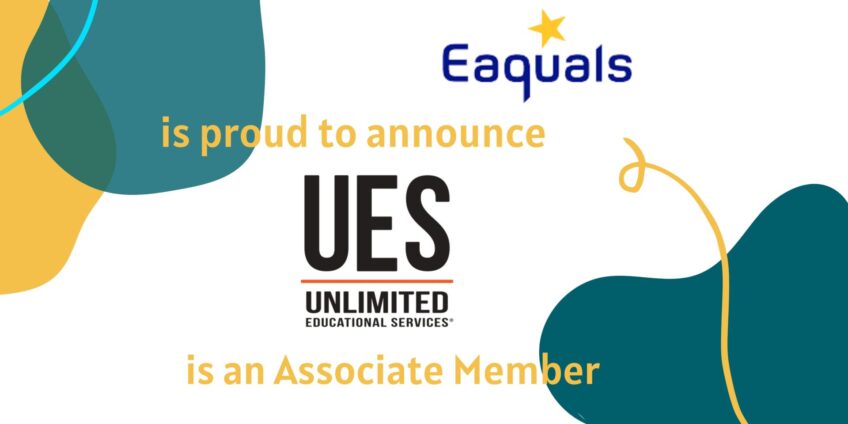
UES Joins Eaquals as an Associate Member
The language education sector is changing fast. New technologies, diverse learner needs and evolving teaching practices are creating new opportunities for educators, institutions and educational organisations to learn from one another.
In this context, collaboration matters.
UES is now an Eaquals Associate Member, bringing its experience as a digital content developer, educational publisher and academic consultancy into the wider Eaquals community.
A shared focus on quality in language education
Founded in 2008, UES works across English Language Teaching (ELT) and modern languages, from K–12 through university level. Its work includes curriculum development, print and digital learning resources, and academic consultancy.
For the wider language education community, the value of this new connection lies in the opportunity to bring different areas of expertise together.
Content developers and publishers have an important role to play in supporting teachers and learners. At the same time, educators and institutions bring practical insight into what works in real learning environments.
Connecting these perspectives can help strengthen the development of language learning resources and approaches.
Bringing print, digital and pedagogy together
Language learning now takes place across many formats. Print resources remain important, while digital platforms continue to create new ways for learners and teachers to engage with content.
UES develops both print and digital learning solutions. Its approach places pedagogical design at the centre, with resources developed for different levels and learner needs.
This is particularly relevant to a language education community that is exploring how technology and traditional learning approaches can work together.
As an Eaquals Associate Member, UES can contribute to this wider conversation while learning from language education professionals and organisations across the Eaquals network.
A new opportunity for collaboration
UES sees its Eaquals membership as a natural extension of its commitment to academic excellence and pedagogical innovation.
As Haluk Şengeç, Sales Director at Unlimited Educational Services, explains:

“Becoming an Eaquals Associate Member is a natural extension of UES’s commitment to academic excellence and pedagogical innovation in developing learning solutions. As a digital content developer and ELT publisher we joined Eaquals to align our print and digital learning solutions with internationally recognized quality benchmarks. This partnership allows us to collaborate closely with global language education leaders, refine our academic consultancy frameworks, and continuously engineer inclusive, high-quality resources that meet the evolving needs of teachers and learners worldwide.”
Looking ahead
For Eaquals members and the wider language education sector, new connections between educators, institutions, publishers and content developers can create valuable opportunities for dialogue and knowledge exchange.
UES’s Associate Membership adds another voice to that conversation.
It also reflects a shared interest in a simple but important goal: continuing to improve the quality, relevance and inclusiveness of language education for teachers and learners around the world.

Frequently Asked Questions (FAQs):
What is UES?
Unlimited Educational Services (UES) is a digital content developer, educational publisher and academic consultancy founded in 2008. It specialises in English Language Teaching and modern languages from K–12 through university level.
What does UES becoming an Eaquals Associate Member mean?
UES’s Associate Membership creates an opportunity to connect with the wider Eaquals community and contribute to discussions around quality, innovation and development in language education.
Why is collaboration important in language education?
Collaboration brings together different perspectives from educators, institutions, publishers and other organisations. This can support knowledge exchange and help develop more relevant learning approaches and resources.