Cambridge Sustainable Classroom Challenge: The Winner
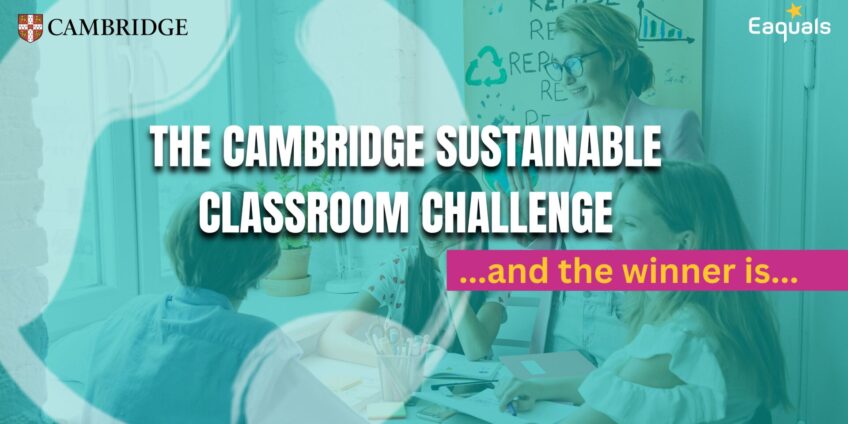
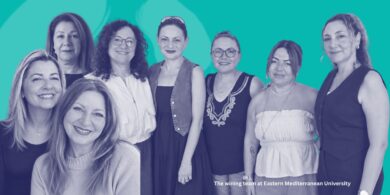
Eastern Mediterranean University Wins the Cambridge Sustainable Classroom Challenge
We are pleased to announce that Eastern Mediterranean Universityin Türkiye has been named the winner of the Cambridge Sustainable Classroom Challenge.
The winning entry, the university’s Community Involvement Project (CIP), connects English language learning with sustainability and community engagement. It brings the United Nations Sustainable Development Goals (SDGs) into an existing, locally focused project.
The result is an approach that gives students opportunities to explore sustainability while using English for meaningful purposes.
From sustainability awareness to community action
The Community Involvement Project is a student-centred initiative that connects language learning with sustainability and community engagement.
Students are introduced to the SDGs and then consider which goals and issues are meaningful or relevant to their own communities. From there, they explore the issues and work together to consider possible solutions.
English is used throughout the process. This gives students opportunities to develop language skills while also working on critical thinking, collaboration, creativity, problem-solving, research and communication.
The project brings these different elements together through student presentations. Students share the issues they have explored and the solutions they have considered.
But there is more to the project than the final presentation. How did the team connect sustainability with an existing language education project? What did students learn from the process? And what challenges did the teachers encounter along the way?
These are some of the questions that Gülden Çağakan will explore in the team’s upcoming Eaquals presentation.
What the judges highlighted
The judges were particularly impressed by how the entry brought together the different areas of the Cambridge Sustainability Framework for ELT.
Rather than simply introducing sustainability as a classroom topic, the project showed how students could move from learning about environmental and social issues towards taking action in their communities.
The judges also highlighted the way sustainability and English language learning were integrated throughout the project. The approach was adapted for A2-level learners, while students were given opportunities to use English in meaningful contexts.
The impact of the project was another important part of the entry. 83% of survey respondents agreed that small actions can make a big difference. Feedback from students also pointed to the value of helping others, working as a team and doing something beyond the classroom.
The judges also recognised the team’s thoughtful approach to evaluating the project and reflecting on the challenges involved.
The team behind the project
The winning project was a collaborative effort involving colleagues across Eastern Mediterranean University.
Michila Gencel introduced the team to the SDGs and encouraged them to integrate them into the existing Civic Involvement Project.
Gülden Çağakan developed new teaching materials to bring the SDGs into the project.
Mehşen Ercanlar, the CIP team leader, coordinates and monitors the planning and implementation process.
Celen Muezzin Karadagli, Assistant Director for Academic Affairs, also contributed to the work.
The project was supported by Şerife Hocanın Aşıksoy, Refika İlkan, Eylem Akim, Fayka Guresun and Telci Dali. They played active roles both inside and outside the classroom, supporting students and helping bring the projects to completion.
Sharing the CIP journey with the ELT community
The winning team will present the project at Eaquals Online on Sunday 11th October. There will be two presentation times, 11:00 and 16:00 BST, to make the session accessible to participants in different time zones.
The presentation, “Community Involvement Project: Connecting Language Learning, Sustainability and Community Action,” will be presented by Gülden Çağakan.
The session will take colleagues behind the scenes of the project. It will explore the team’s journey, classroom practices, student outcomes, challenges and lessons learned.
It will also look at how the Community Involvement Project can help educators connect language learning, sustainability and community action.
For language education professionals interested in bringing sustainability into their teaching, this will be an opportunity to hear directly from the team behind the winning entry and learn more about how the project developed in practice.
Congratulations to Eastern Mediterranean University and to everyone involved in the winning project.
We would also like to thank all the educators and institutions who took part in the Cambridge Sustainable Classroom Challenge and shared their work with the wider language education community.
Frequently Asked Questions (FAQ)