Formative Assessment in the Age of GenAI | Pearson ELT Research
From Insight to Action: Formative Assessment in the Age of GenAI


As generative AI (GenAI) becomes part of everyday life, educators face an important challenge: how should GenAI be used in the classroom? Schools and teachers must now consider how to measure learning and adapt formative assessment in ways that allow or encourage the use of GenAI while protecting academic integrity.

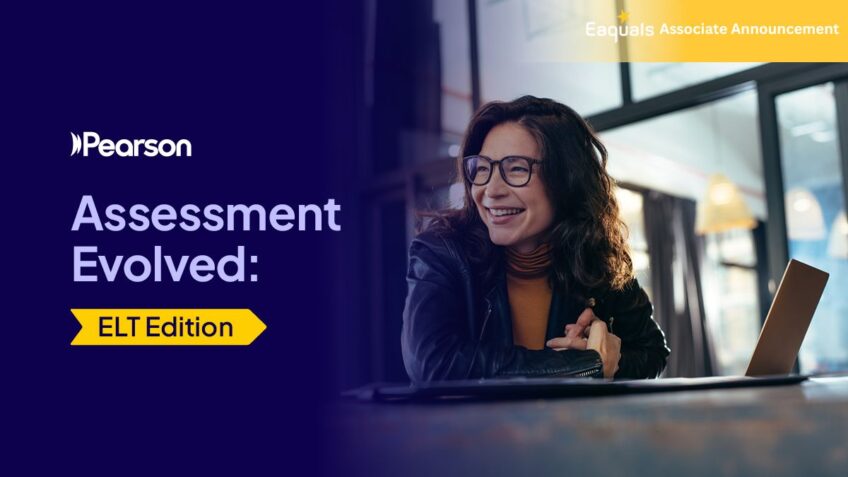
This week, Pearson, an Eaquals Associate Member, released new research that responds directly to this challenge: Assessment Evolved: Formative Assessment in a Generative AI Era (ELT Edition).

Drawing on research with more than 1,000 educators, the report explores how formative assessment can evolve in a world where GenAI is widely accessible. The findings highlight a major shift in education. Instead of evaluating only final outputs, educators are increasingly focusing on the learning processes behind those outputs.

The ELT edition includes insights from English language teaching experts around the world. These insights validate the report’s findings for the ELT classroom and provide practical relevance for language educators.


Why GenAI Matters in Education

Outside education, GenAI is already disrupting the world of work. As a result, AI literacy is rapidly becoming an essential workplace skill. Because of this shift, banning GenAI in the classroom may be counterproductive.

Rather than focusing only on AI detection or restrictions, the report emphasises the importance of designing new forms of formative assessment that make student thinking visible.

This includes understanding:

  • How learners interact with GenAI
  • How students evaluate AI-generated outputs
  • How learners refine and develop ideas
  • How students demonstrate understanding through reflection and feedback

By focusing on these learning processes, educators can support both language development and responsible AI literacy.


Practical Support for Teachers Using GenAI

Many educators are still grappling with GenAI and need practical support alongside theoretical insight. To address this need, the research report is accompanied by a dedicated Educator Guide.

Designed specifically for English language classrooms, the guide provides actionable strategies that help teachers evolve their assessment practices with confidence.

The guide includes:

  • Reflection questions for teachers at different stages of AI familiarity
  • Frameworks for responsible AI integration
  • Classroom-ready activities for formative assessment
  • Strategies that encourage responsible GenAI use
  • Activities that support language skills, AI literacy, and critical thinking

These resources help teachers transform traditional formative assessment into more transparent, process-focused learning experiences.


The Future of Formative Assessment in the Age of AI

Together, the report and Educator Guide support educators as they navigate the growing integration of GenAI into language education.

As AI continues to shape education and employment, formative assessment will play an increasingly important role in helping students develop critical thinking, language proficiency, and responsible AI literacy skills.

The report and Educator Guide can be downloaded below:


Frequently Asked Questions (FAQs)


What is formative assessment in the age of GenAI?

Formative assessment in the age of GenAI involves evaluating how students learn, interact with AI tools, refine ideas, and demonstrate understanding instead of focusing only on final answers or assignments.


Why is AI literacy important in education?

AI literacy is becoming an essential workplace skill. Students need to understand how to use AI responsibly, evaluate AI-generated outputs, and apply critical thinking when using generative AI tools.


How can teachers use GenAI in English language classrooms?

Teachers can use GenAI to support brainstorming, reflection, language practice, feedback activities, and collaborative learning while maintaining transparent and ethical assessment methods.


What does Pearson’s Assessment Evolved report explore?

The report examines how formative assessment can adapt to widespread GenAI use and provides practical strategies for educators, especially in English language teaching environments.


How does GenAI change formative assessment?

GenAI shifts assessment from evaluating only finished work to understanding student thinking, decision-making, revision processes, and reflection during learning.